Kennington Road waste removal for flat clearances
Posted on 13/06/2026
Kennington Road waste removal for flat clearances: a practical guide for homeowners, landlords, and tenants
If you live on or near Kennington Road and you need a flat cleared, you probably already know the awkward bits. Narrow stairwells, parking pressure, heavy furniture, and that one wardrobe that somehow got bigger since it was bought. Kennington Road waste removal for flat clearances is not just about getting things out of the door; it is about doing it safely, quickly, and with as little disruption as possible. In a busy part of SE11, that matters more than people expect.
This guide explains how flat clearance waste removal works, what to check before you book, which items can be removed, and how to avoid the common mistakes that cause delays or surprise costs. It also gives you a realistic picture of what good service looks like, because let's face it, nobody wants a smooth-looking quote that turns messy halfway through the job.
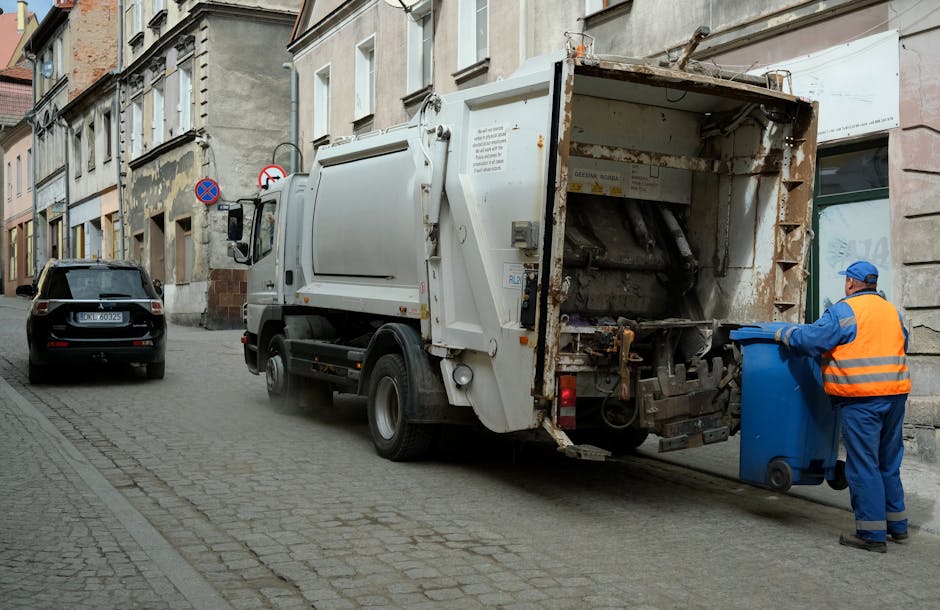
Why Kennington Road waste removal for flat clearances Matters
Flat clearances are different from ordinary rubbish collection. In a house, you often have a front path, side access, or at least a bit more room to manoeuvre. In a flat, everything is tighter. Stairs may be shared, lifts may be small or unreliable, and there may be neighbours to consider. On Kennington Road, where buildings can vary a lot in age and layout, those practical realities show up fast.
That is why a proper waste removal plan matters. It helps you clear space without damaging walls, blocking communal areas, or leaving piles in hallways. It also makes the process less stressful if you are dealing with a move, an end-of-tenancy deadline, a probate clearance, or simply a long-overdue declutter.
There is another side to it too: responsible disposal. A good clearance should not just remove items from your flat and dump the problem elsewhere. You want items sorted sensibly, reusable things separated where possible, and waste handled by a licensed and compliant carrier. That is basic trust, really.
People often underestimate the knock-on effect of poor clearance planning. One heavy sofa left in a stairwell can hold up building access for everyone. One careless trip with white goods can scratch a landing. Small job? Maybe. Small consequences? Not always.
Expert summary: For flat clearances on Kennington Road, the winning formula is simple: plan the access route, sort items early, confirm disposal responsibilities, and choose a team that can work neatly in confined spaces.
How Kennington Road waste removal for flat clearances Works
The process is usually straightforward, but the details matter. Most flat clearance jobs follow a pattern: enquiry, assessment, quote, collection, loading, and disposal. The difference between a smooth job and a frustrating one is usually in the preparation.
First, the team will want to understand what needs removing. Is it a few bulky items, a full flat clearance, or a mixed load with furniture, bags of domestic waste, and maybe an appliance or two? If you have items like fridges, washing machines, or large wardrobes, mention them early. That helps prevent surprises on the day.
Second, access needs to be checked. On Kennington Road, that may mean stairs, parking restrictions, shared entrances, narrow hallways, or loading times. In practical terms, a job that looks like "just a few items" can take longer if the access is tight or if the flat is on an upper floor with no lift.
Third, the waste is removed, sorted, and loaded. Depending on the service, some items may be separated for reuse or recycling. If you are comparing providers, look for businesses that explain their recycling approach clearly, such as the guidance on recycling and sustainability.
Finally, the waste is taken away for proper processing. That last step is the one people rarely see, but it is where compliance and responsible handling really matter.
To be fair, the best jobs often feel almost boring on the day, and that is a good sign. No drama. No last-minute "actually, we can't take that" conversations. Just tidy work and a clean finish.
Key Benefits and Practical Advantages
The obvious benefit is space. A cleared flat looks and feels completely different, and not just visually. It is easier to clean, easier to photograph if you are letting or selling, and much less stressful to move around in.
There are also practical benefits that show up in daily life:
- Less physical strain: heavy lifting, awkward stair carries, and repeated trips down the corridor are reduced.
- Faster turnaround: useful when you are working to a move-out date or tenancy handover.
- Better presentation: especially helpful for landlords, agents, and sellers preparing a flat.
- Reduced risk of damage: professional handling lowers the chance of scratched walls, broken fittings, or accidents.
- More responsible disposal: items can be separated for reuse or recycling rather than going straight to general waste.
There is a financial angle too. When a flat is cluttered, people often waste time doing multiple smaller trips in a car or van, or they pay for a few different collection runs. A well-planned clearance can be more efficient than piecemeal disposal, especially if you are clearing several rooms at once.
If you are dealing with furniture, it may help to look at a dedicated furniture removal service in Kennington, because sofas, beds, wardrobes, and tables are the items most likely to cause access headaches.
And if the flat clearance includes mixed household waste rather than just one category of items, a broader domestic waste collection in Kennington can be the easier fit.
Who This Is For and When It Makes Sense
This kind of service suits a lot more people than you might first think. It is not only for major moves or dramatic clear-outs. In fact, smaller flat clearances are common, and they often benefit the most from a professional approach because the access is fiddly.
It makes sense if you are:
- moving out of a flat on Kennington Road and need to leave it empty;
- preparing a rental property for new tenants;
- dealing with an inherited flat or probate clearance;
- clearing old furniture after a refurbishment;
- removing appliances that are too bulky for normal bins;
- downsizing and only keeping selected items;
- tidying a cluttered rental between tenancies;
- clearing post-renovation leftovers, packaging, and broken fittings.
The service also helps when you simply do not want the hassle of taking things apart, carrying them down stairs, and making repeated journeys to a disposal site. Who does, honestly?
Some residents on Kennington Road are in period conversions with tight communal staircases. Others are in newer blocks with lifts, but lift access can still be awkward when items are large or when building rules limit use. A proper clearance approach is flexible enough to handle both.
If you are unsure whether your job is more like a flat clearance, a house clearance, or a mixed domestic collection, the services overview is a useful place to compare the options before you decide.
Step-by-Step Guidance
Here is the simplest way to organise a flat clearance on Kennington Road without turning it into a weekend project that goes on and on.
- Walk through the flat room by room. List the items you want removed. Include awkward bits like mattresses, mirrors, exercise equipment, and appliance units.
- Separate what you are keeping. This sounds obvious, but a surprising number of delays come from items being half-packed or not clearly labelled.
- Check access details. Note the floor level, lift availability, parking constraints, and whether there are any narrow turns or low ceilings.
- Identify heavy or specialist items. White goods, wardrobes, and damaged furniture can change the loading plan.
- Ask about pricing structure. Understand whether the quote is based on volume, labour, item type, or a combination. The page on pricing and quotes is worth a look if you want a clearer idea of how estimates are usually framed.
- Confirm disposal standards. Ask how recyclable or reusable items are handled, especially if you care about environmental outcomes.
- Prepare the route. Clear hallways, prop open doors if permitted, and make sure pets, children, or valuables are out of the way.
- Be present, if possible. Being there helps answer last-minute questions and avoids misunderstandings. It is a small thing, but it saves time.
A lot of flat clearances go more smoothly when the client does a little sorting first. Even half an hour spent separating paperwork, personal items, and fragile belongings can make a real difference. That is especially true when there are mixed items from different rooms and you do not want anything accidentally removed.
If your job also includes bulky household appliances, consider whether a specific appliance disposal service is needed. Appliances often need different handling from general furniture.
Expert Tips for Better Results
A few practical habits can save time, money, and a fair bit of stress.
1. Photograph the main items before collection
This helps with quoting and avoids "I didn't realise that was included" confusion. A quick phone photo of the big items is usually enough.
2. Measure the awkward furniture
Wardrobes, sofa beds, divan bases, and large bookcases are the usual troublemakers. If something barely fit on the way in, it may not be as easy on the way out.
3. Think about parking before the van arrives
On busy stretches of Kennington Road, parking is often the hidden bottleneck. If the loading point is far away, the whole job can take longer than expected. Not catastrophic, just slower. Slower matters.
4. Separate valuables and paperwork early
Old flat clearances often uncover documents, keys, chargers, photographs, and random "I forgot that was there" items. Go through drawers and cupboards before anything moves.
5. Choose the right type of clearance
Not every job needs a full clearance. Sometimes a focused collection for furniture, domestic waste, or builders' rubbish is more sensible. If you are dealing with renovation debris, the relevant builders waste removal in Kennington page may be the better fit.
6. Ask about payment and terms in advance
Good providers make billing clear before the work starts. That helps you avoid awkwardness later. For reassurance, review payment and security information and the terms and conditions if you want to know how a service sets expectations.
A tiny human note here: a lot of clearance problems come from nobody wanting to ask the "obvious" question. Ask it. The obvious question is often the useful one.

Common Mistakes to Avoid
Most headaches in flat clearances come from a few predictable errors. They are easy to avoid once you know what to look for.
- Leaving sorting until the last minute. This turns a tidy clearance into a rummage through everything.
- Underestimating access problems. A job that seems small on paper can become awkward if there is no lift or parking nearby.
- Forgetting appliance handling. Fridges and washing machines can't just be treated like ordinary rubbish.
- Not checking the provider's compliance. If waste is not handled properly, it can come back to bite you.
- Accepting vague pricing. If the quote is unclear, ask for a breakdown before you agree.
- Assuming everything can go in one pile. Different materials often need different handling.
- Ignoring building rules. Shared hallways, lift bookings, and concierge requirements can all affect timing.
There is also a common mental mistake: treating flat clearance like a simple bin-emptying job. It usually is not. It is more like a small moving project with waste sorting attached. Once you see it that way, the planning gets much easier.
If hidden charges are a concern, the article on avoiding hidden charges on Kennington rubbish clearance jobs is a helpful companion read.
Tools, Resources and Recommendations
You do not need a lot of gear, but a few simple tools make the job easier.
- Strong bin bags or rubble sacks: useful for loose domestic waste, soft furnishings, and light clutter.
- Labels or sticky notes: ideal for marking what stays and what goes.
- Tape measure: helpful for bulky items and tight hallways.
- Gloves: basic protection when sorting dusty storage areas or old cupboards.
- Phone camera: great for documenting items, access points, and any special instructions.
- Floor protection or blankets: useful if there is a risk of scuffing communal areas.
From a planning point of view, these pages are worth keeping in mind:
- house clearance in Kennington for larger domestic clear-outs;
- furniture removal in Kennington for bulky individual items;
- domestic waste collection for mixed household rubbish;
- the full services overview if you are matching the job to the right type of removal.
If you are near the park or dealing with a home that has accumulated outdoor items, you may also find the Kennington Park rubbish clearance guide for households useful. It is more local than most people expect, and the context helps.
Law, Compliance, Standards, or Best Practice
Waste removal is one of those services where the unseen parts matter a great deal. In the UK, waste should be handled by a legitimate carrier, and customers should feel comfortable asking how disposal is managed. That is not being picky. It is sensible.
For flat clearances, a few best-practice points stand out:
- Use a licensed carrier: always ask how the waste is collected and processed.
- Keep records if you are a landlord or agent: for tenancy handovers, having a clear paper trail helps.
- Separate hazardous or specialist items early: not all waste is treated the same way.
- Check insurance and safety measures: especially for stair carries and communal areas.
- Respect building rules and neighbours: good service is neat, quiet, and controlled where possible.
If compliance matters to you, the following pages help build confidence in the service model: insurance and safety, waste carrier licence and compliance, and the company's about us page for more background.
For privacy, website use, and purchasing confidence, the support pages on privacy policy and modern slavery statement are also part of the trust picture. Not flashy, but important.
Options, Methods, or Comparison Table
There are several ways to deal with a flat clearance. The best one depends on volume, access, time pressure, and how much lifting you want to do yourself.
| Method | Best for | Pros | Watch-outs |
|---|---|---|---|
| Self-clearance | Very small loads and flexible timelines | Can be cheap if you already have transport | Time-consuming, physically demanding, parking and disposal hassle |
| Mixed-item waste removal | General flat declutters and end-of-tenancy jobs | Quick, flexible, handles a range of items | Needs good access planning and clear quoting |
| Furniture-only removal | One or two large items, or a full furniture set | Ideal for bulky pieces and stair access | Not always suitable if you also have bags of waste |
| Full house or flat clearance | Large clearances, probate, or major moves | Most efficient for bigger projects | More planning needed, especially for valuables and sorting |
| Appliance-specific disposal | White goods and bulky electricals | Good for fridges, freezers, and washing machines | Needs correct handling and clear identification |
If the job is near a deadline, same-day or next-day service may be the difference between calm and chaos. For that scenario, the article on cheap same-day rubbish removal in Kennington SE11 is particularly relevant.
Case Study or Real-World Example
Here is a realistic example from the sort of job people quietly deal with every week.
A tenant in a second-floor flat on Kennington Road needed the property emptied before a midweek handover. The flat had a sofa, a bed frame, two wardrobes, several bin bags of mixed household waste, and a washing machine that had to go. The stairwell was narrow, the parking situation was not ideal, and there was a limited window before the agent's inspection.
Instead of trying to do everything in separate trips, the items were listed in advance, the appliance was flagged, and the access route was checked before the crew arrived. The flat was cleared in one planned visit, with the more awkward items removed first so the hallway stayed open. The tenant avoided a stressful last-minute scramble, and the flat was left ready for cleaning.
What made it work was not luck. It was preparation, a clear scope, and realistic expectations about access. Nothing glamorous, just good practice.
This kind of scenario is common in Kennington because flats vary so much in layout. One building feels spacious; the next one has a door angle that makes a mattress look like modern art. You get the idea.
Practical Checklist
Use this checklist before booking or on the morning of the clearance.
- List every item to be removed.
- Separate keep, sell, donate, and remove piles.
- Identify any appliances, mattresses, or fragile items.
- Measure bulky furniture if access is tight.
- Check floor level, lift access, and stair width.
- Confirm parking or loading arrangements.
- Clear hallways and doorways where possible.
- Remove valuables, paperwork, and sentimental items early.
- Ask for pricing details in advance.
- Confirm the provider's licensing, safety, and recycling approach.
- Review payment terms before the work starts.
- Keep a phone charged in case the team needs to call with access questions.
It sounds simple because, well, it is. But simple is often what keeps a clearance smooth.
Conclusion
Kennington Road waste removal for flat clearances is most effective when it is treated as a practical, carefully planned job rather than a rushed lift-and-go task. The right approach protects your walls, saves time, reduces stress, and helps ensure the waste is handled responsibly. Whether you are emptying a rental flat, clearing a property after a move, or dealing with bulky furniture and domestic waste, a little preparation goes a long way.
Choose the right service type, check access in advance, ask sensible questions about pricing and compliance, and keep the process tidy from start to finish. That is usually what separates a smooth clearance from a tiring one. And if you are clearing a flat in a busy London street, smooth is exactly what you want.
Get a free quote today and see how much you can save.
When the dust settles and the flat is finally clear, it is a relief you can actually feel. Quiet, open space has a way of doing that.