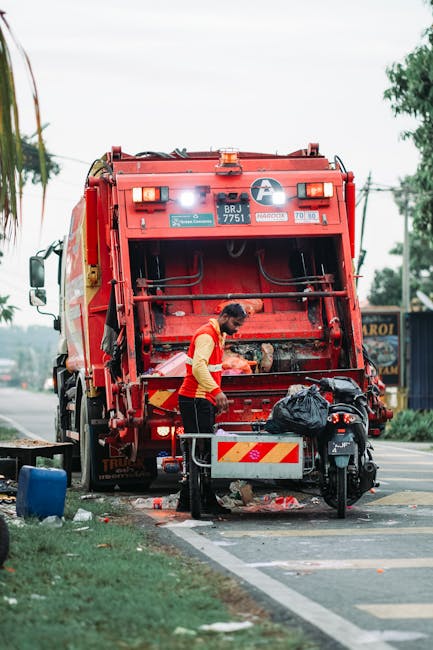
Kennington Oval event rubbish removal for match days
Posted on 12/10/2026

Kennington Oval Event Rubbish Removal for Match Days: A Practical Guide for Smoother Operations
Match day at Kennington Oval has a rhythm of its own: queues forming early, catering moving fast, cups and packaging building up almost before the first ball is bowled, and everyone trying to keep routes clear while the place hums. If you are responsible for Kennington Oval event rubbish removal for match days, you already know the challenge is not just about "taking the bins out." It is about timing, access, presentation, safety, and getting the waste gone without getting in the way of the event.
This guide breaks down how match day clearance works in real life, what to plan for, where the common headaches appear, and how to handle waste in a way that feels calm rather than chaotic. Whether you are organising hospitality, managing a temporary event crew, or helping with back-of-house operations, you will find a useful, local, no-nonsense approach here. And yes, we will keep it practical. No fluff.
Why Kennington Oval Event Rubbish Removal for Match Days Matters
On a match day, waste does not stay politely in one place. It spreads. Drinks spill. Food packaging piles up near serving points. Toilets and catering zones create very different waste streams. If those materials are not cleared quickly, the problems show up in all the usual ways: blocked walkways, unpleasant odours, extra cleaning pressure, and a venue that starts to look tired before the day is even half done.
For a high-footfall venue near residential streets and busy transport links, rubbish removal is not just cosmetic. It supports safe movement, helps the event feel organised, and reduces the chance of waste spilling into the public realm. In practice, that means the difference between a smooth handover at the end of the day and a late scramble with overfilled bags, broken boxes, and staff wondering where to put the next load.
There is also the reputational side. Guests notice what they can see and smell. Let's face it, nobody remembers a spotless concourse in a dramatic way, but everybody remembers a sticky floor or a pile of loose waste by the exit. Good clearance protects the overall experience.
If your operation also overlaps with broader business waste needs, it can help to understand the wider options available through the full services overview and the dedicated commercial waste removal in Kennington page for business-oriented clearances.
How Kennington Oval Event Rubbish Removal for Match Days Works
The best match day waste removal setups are planned in layers, not as a last-minute lift-and-shift. A good process usually starts before the gates open, continues during the event, and finishes with a final sweep after crowds thin out. That sounds simple, but the timing matters a lot more than people think.
In a typical arrangement, waste is separated into practical streams such as mixed event rubbish, cardboard, food waste, drink containers, packaging, and any bulky items created by temporary infrastructure. The collection team then works to agreed windows so that removal happens without disrupting guests, stewards, caterers, or security staff.
Access is often the real deciding factor. A van or team may need a precise arrival point, a loading route that avoids bottlenecks, and enough information to move in and out quickly. If you have ever seen a service team arrive at the wrong gate while everyone else is dealing with a crowd surge, you will know why this matters. Small detail, big consequence.
Where possible, experienced teams will also coordinate with venue staff on the following:
- collection windows before kick-off, during quieter intervals, or after the final whistle
- where sacks, bins, cages, or stackable waste units should be placed
- how to keep walkways and emergency access routes clear
- which materials need separate handling for recycling or disposal
- how to deal with unexpected overflow without creating a mess
If the event produces mixed commercial waste, a linked service such as commercial rubbish support for local businesses can be a sensible fit. If there are discarded chairs, damaged tables, or temporary fit-out items, furniture removal in Kennington may be more relevant. For heavier end-of-event clearances, some organisers also look at builders waste removal in Kennington, especially where temporary structures or staging materials are involved.
Key Benefits and Practical Advantages
Well-managed match day rubbish removal does more than just clear debris. It improves the event in ways that are easy to overlook until something goes wrong.
- Cleaner public-facing areas: a tidier venue feels more organised and professional.
- Safer movement: less loose waste means fewer trip hazards and less clutter near high-traffic points.
- Faster turnarounds: clean-down becomes less stressful when waste is removed in stages.
- Better recycling outcomes: separating materials early makes recovery easier later.
- Reduced pressure on staff: front-of-house teams can focus on guests rather than hunting for overflow bins.
- Less post-event damage: sticky residue, leaks, and broken packaging are harder to deal with if left too long.
There is a more subtle benefit too: good waste handling makes operations feel calm. If you manage events, you will know the value of calm. It buys you time, and time is the one thing you never quite have enough of on a match day.
For organisers comparing approaches, the article on moving away from council-based rubbish collection and removal offers helpful context on why private, event-specific support can be better suited to time-sensitive work.
Who This Is For and When It Makes Sense
This service is not only for large event teams. In practice, a lot of different people end up needing it around match days.
- Venue operations teams who need a predictable clearance plan.
- Catering contractors dealing with packaging, food waste, glass, and crates.
- Hospitality managers who want premium areas kept clean and presentable.
- Temporary event crews setting up or dismantling materials.
- Nearby businesses affected by spillover waste, storage, or post-event build-up.
- Facilities teams who need same-day or next-day removal after busy fixtures.
It tends to make the most sense when the waste volume is too awkward for ordinary collections, when timing is tight, or when the event creates mixed materials that need sorting and removal quickly. It also makes sense if the site has limited storage space and you cannot afford rows of sacks sitting around looking, frankly, a bit grim.
Some organisers only realise this once the first crowd wave hits. By then, the better question is not "Do we need waste removal?" but "How quickly can we get this under control?"
Step-by-Step Guidance
Here is a practical way to handle match day clearance without overcomplicating it.
- Estimate the waste profile. Think about food packaging, drink containers, cardboard, disposable service items, broken materials, and any bulky items from temporary setups.
- Map the key waste points. Identify where rubbish is likely to build up: entrances, kiosks, hospitality areas, staff zones, and rear service areas.
- Set collection windows. Decide whether you need pre-event clearance, rolling collections during the day, or a final post-event pickup.
- Separate materials where practical. Keep cardboard, general waste, and other recyclables apart if the site layout allows it.
- Confirm access details. Loading bays, gates, lift access, and road restrictions should all be checked in advance.
- Brief staff clearly. A short, plain-English plan beats a long document nobody reads.
- Leave room for contingency. Overflow happens. Have a back-up plan for extra sacks, extra load space, or a second collection.
- Finish with a final sweep. Do a last pass for loose items, forgotten packaging, and anything tucked behind barriers or furniture.
A simple rule works well here: the earlier waste is contained, the less expensive and less stressful the rest of the day usually becomes. Not always, but often enough to matter.
Expert Tips for Better Results
In our experience, the best match day waste plans are the boring ones. That is not an insult. It means they are clear, predictable, and easy for staff to follow.
- Use visibly labelled bins or sacks. Mixed waste and recycling should not look identical if you want people to use them properly.
- Place collection points where people naturally pass. Hidden bins stay empty. Easy-to-find bins get used.
- Keep spare liners and ties on hand. One missing roll can slow down a whole service point.
- Plan around crowd surges. Don't schedule a waste move exactly when the exits are at their busiest.
- Protect sharp edges and heavy items. A couple of careless moves can turn a routine clearance into a safety issue.
- Think about weather. Wet cardboard, soaked packaging, and slippery paths behave very differently from dry waste.
And a small one from the field: if a bin looks almost full before the interval starts, empty it then. Waiting for it to become "just a bit too full" is how you end up with litter around the base, and suddenly everyone is apologising to everyone else.
For local businesses and organisers wanting to avoid nasty surprises, the page on avoiding hidden charges on clearances is worth a look. It helps frame what to ask before work starts.

Common Mistakes to Avoid
Most waste headaches on match day come from a handful of repeat mistakes. They are easy to make, especially when everyone is focused on the event itself.
- Leaving clearance until the end of the day. This creates bottlenecks and makes the last sweep much harder.
- Mixing waste streams without a plan. Once everything is dumped together, sorting gets slower and messier.
- Ignoring access restrictions. A brilliant plan is useless if the vehicle cannot get to the loading point.
- Assuming one collection covers everything. High-volume match days often need multiple removal moments.
- Overfilling sacks or bins. That makes handling slower and increases the chance of spillage.
- Not briefing temporary staff. Event teams change quickly. People need short, direct instructions.
- Forgetting about bulky items. Broken tables, packaging crates, or event furniture can sit there awkwardly if nobody owns them.
Truth be told, the biggest mistake is often simple optimism. "We'll deal with it later" sounds fine until later arrives, usually at the worst possible minute.
Tools, Resources and Recommendations
You do not need fancy equipment to manage event waste well, but the right basics make a huge difference.
| Tool or resource | Why it helps | Best use on match days |
|---|---|---|
| Heavy-duty sacks | Hold mixed waste securely and reduce tearing | General event rubbish and back-of-house clearances |
| Colour-labelled bins | Encourage better separation | Front-of-house, bars, and catering points |
| Bin liners and ties | Speed up turnover and keep bags secure | Fast-moving service areas |
| Hand truck or trolley | Makes moving bulky sacks safer | Back routes and loading zones |
| Simple route map | Reduces confusion in busy spaces | Collections, staff handovers, contingency planning |
If you are comparing wider support options, the services overview page can help you see how different clearances fit different waste types. For ordinary household-style overflow linked to a nearby accommodation or short-stay setup, domestic waste collection in Kennington may be more relevant. If the job involves old stock, unused fixtures, or clear-out items after a temporary event build, house clearance in Kennington can also be useful depending on the mix.
Law, Compliance, Standards, or Best Practice
Waste removal around match days should always be treated as a compliance issue as well as an operational one. In the UK, event organisers and waste handlers are expected to manage waste responsibly, use appropriately licensed carriers, and avoid fly-tipping or improper disposal. You do not need to become a law expert overnight, but you do need a sensible process.
At a practical level, that means checking that any waste contractor you use is properly covered, that materials are handled safely, and that disposal routes are legitimate. If your event produces commercial waste, mixed recyclable materials, or bulky items, it is worth confirming how the contractor handles transfer, segregation, and disposal. Good operators will explain this in plain language without the waffle.
For extra peace of mind, review waste carrier licence and compliance information before booking. It is also sensible to look at insurance and safety details, especially if the work involves loading near crowds, tight access, or awkward materials.
Environmental best practice matters too. If you can separate cardboard, bottles, cans, and reusable materials from general waste, you give the site a better chance of recycling more and sending less to disposal. The page on recycling and sustainability is useful background for anyone trying to make event waste a little cleaner and a little smarter.
Some organisers also like to review terms and conditions, payment and security information, and the company's privacy policy when they are setting up repeat work or sharing operational details. That sort of admin is not glamorous, but it matters. A lot.
Options, Methods, or Comparison Table
Not every event needs the same approach. The right method depends on waste volume, timing, access, and how visible the waste is to guests.
| Method | Best for | Pros | Limitations |
|---|---|---|---|
| One final end-of-day clearance | Smaller fixtures or lighter waste output | Simple to arrange, fewer moving parts | Can become messy if waste builds up too much |
| Rolling collections during the day | Busy match days with food and drink service | Keeps areas tidy, reduces overflow | Needs coordination and access planning |
| Pre-event plus post-event clearance | Large or premium events | Creates a clean start and a cleaner finish | More planning, more cost, more coordination |
| Mixed ad hoc collection | Unpredictable operational situations | Flexible, useful for last-minute changes | Can be less efficient if overused |
In many cases, the best option is not one method but a simple combination. A quick pre-clean helps, a mid-event sweep keeps things under control, and a final post-match removal makes the space ready for the next phase.
Case Study or Real-World Example
Picture a busy summer fixture at Kennington Oval. The weather is warm, everyone is in good spirits, and the catering points are moving steadily. By mid-afternoon, the bins near the busiest hospitality area are filling faster than expected because packaging and drink containers are coming through in waves. Nothing dramatic, just the usual kind of pressure that creeps up quietly.
The operations team keeps a small stock of spare liners, flags one overflow point early, and arranges a targeted pickup before the interval crowd shift. Because access routes were already agreed, the collection team can move in, clear the waste without blocking foot traffic, and leave the area looking tidy again within a short window. Later, after the final crowd movement, a second sweep catches the leftover cartons, a few stray cups, and a couple of bulky items from a temporary service setup.
The key detail here is not that the day was perfect. It was not. The key detail is that problems were caught early enough to stay small. That is what good rubbish removal does: it quietly protects the whole event from becoming a mess.
Practical Checklist
Use this before match day, or even the day before if you want a calmer morning.
- Confirm the event waste categories and likely volume.
- Check access points, loading bays, and any restrictions.
- Set collection windows around crowd flow, not against it.
- Label bins and sacks clearly for staff and visitors.
- Keep spare liners, ties, and cleaning supplies nearby.
- Separate recyclable materials where practical.
- Brief staff on who reports overflow and who calls for collection.
- Identify bulky items early so they do not get forgotten.
- Confirm licence, safety, and insurance details with your contractor.
- Plan a final sweep after the event, not just during it.
Quick expert summary: the easiest way to make match day waste management work is to treat it as part of event flow, not as a leftover chore. If rubbish removal is planned in the same way as staffing or catering, the whole day tends to run better. Simple as that, really.
Get a free quote today and see how much you can save.
Conclusion
Kennington Oval match days bring energy, pressure, and a lot of moving parts. Waste is just one of those parts, but it can affect everything from safety and guest experience to turnaround time and staff morale. When rubbish removal is planned properly, it stops being a headache and becomes part of the event's natural rhythm.
If you are organising or supporting a fixture, the best approach is usually the simplest one: know your waste, know your access, keep collections timed sensibly, and work with a contractor who understands event conditions. A tidy venue is not a luxury. It is part of the job.
And if you are standing there at the end of a long day, looking at a clean concourse and a loading area that finally looks under control, that small moment of relief is worth a lot. Not everything in events goes perfectly. But this part can.